Avoiding Staircase Fees in Poplar Flats: A Practical Guide for Smarter Moving Costs
Moving out of a flat in Poplar can be straightforward right up until the quote lands and you spot an extra line for stairs. That's where many people feel a bit blindsided. Avoiding Staircase Fees in Poplar Flats is really about understanding how removals companies assess access, what they mean by stair charges, and how you can plan a move that keeps the cost fair. If you live in a block with no lift, a narrow landing, or awkward turn after awkward turn, this matters more than you might think.
In practice, staircase fees are often tied to labour time, difficulty, and carrying distance. The good news? They are not always unavoidable. With better preparation, clearer information, and the right quote process, you can reduce the chance of surprise charges and make the move smoother for everyone involved. Let's face it, moving is stressful enough without arguing about a staircase on a Tuesday morning.
Below, you'll find a clear explanation of how these fees work, what actually helps, common pitfalls, and a practical checklist you can use before booking. If you want a starting point on the cost side, it can also help to look at pricing and quotes early, rather than leaving access details until the last minute.
Table of Contents
- Why Avoiding Staircase Fees in Poplar Flats Matters
- How Avoiding Staircase Fees in Poplar Flats Works
- Key Benefits and Practical Advantages
- Who This Is For and When It Makes Sense
- Step-by-Step Guidance
- Expert Tips for Better Results
- Common Mistakes to Avoid
- Tools, Resources and Recommendations
- Law, Compliance, Standards, or Best Practice
- Options, Methods, or Comparison Table
- Case Study or Real-World Example
- Practical Checklist
- Conclusion
- Frequently Asked Questions
Why Avoiding Staircase Fees in Poplar Flats Matters
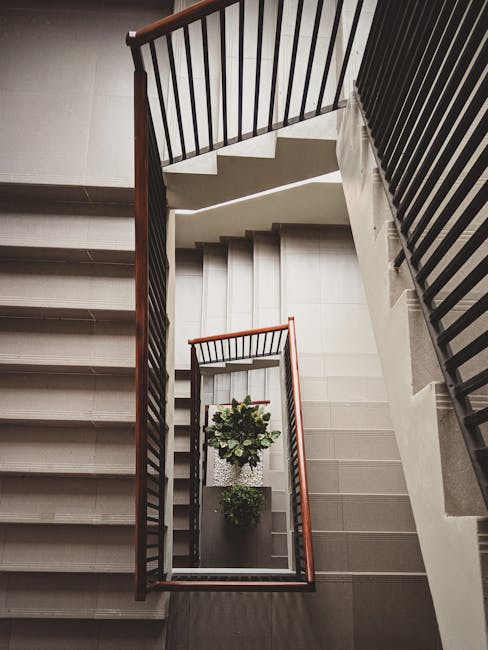
Poplar has a lot of flat-based living: mansion blocks, purpose-built apartments, converted terraces, and newer developments with mixed access. That variety is exactly why access charges can creep into a removals quote. One building has a lift that is too small for larger furniture. Another has a long internal stairwell with tight bends. Another looks simple from the street but becomes a bit of a puzzle once you carry a wardrobe upstairs. You know the sort of thing.
Staircase fees matter because they can change the shape of your moving budget fast. Even a modest fee can be frustrating if you were not expecting it, and frustration tends to spike when a move is already full of boxes, paperwork, and someone asking where the kettle is. More importantly, if the removals team has not been told about the stairs in advance, the day itself can become slower, less efficient, and more expensive than it needed to be.
There is also a practical angle. Good access planning helps protect your furniture, your walls, and the removers themselves. In a flat with tight staircases, a rushed or underplanned move increases the risk of scuffs, strain, and awkward delays. If you are trying to keep everything calm and predictable, avoiding unnecessary staircase charges is only one part of the win. The bigger win is a move that feels organised from the start.
For local readers, this is especially relevant in buildings where access rules, concierge arrangements, or timed loading bays affect how long the team can work. A clear quote is usually better than a cheap-looking one that mutters "subject to access" and leaves the rest to chance.
How Avoiding Staircase Fees in Poplar Flats Works
To avoid staircase fees, you first need to understand what the fee is actually covering. In most moving jobs, the extra charge is not simply because stairs exist. It is because stairs add labour, time, handling difficulty, and sometimes safety risk. A removal team may need additional people, slower lifting, more careful protection, and more trips. All of that takes longer. Sometimes a lot longer.
The process usually starts with the quote. A good removals company will want to know whether there is a lift, how many flights of stairs there are, whether the staircase is inside or outside, and whether bulky items need to be carried around corners or through narrow doors. If that information is missing, the quote may be based on an assumption. And assumptions, as you can imagine, are where surprises are born.
In a Poplar flat, the company may also ask about parking distance, access times, building restrictions, and whether there are any awkward items like wardrobes, sofas, beds, or washing machines. A single item that needs extra handling can affect the whole job. It is not always about the number of steps alone. It is about how hard the move feels in real life.
There are usually a few ways to reduce or eliminate the fee:
- Give full access details before the quote is finalised.
- Confirm whether the building has a functioning lift and its size.
- Measure large items before moving day so you know what will fit.
- Disassemble furniture that would otherwise create handling problems.
- Book a service level that matches the actual building conditions.
That last point is important. Not every move should be treated the same. A studio on the first floor with easy access is not the same as a fourth-floor flat with a narrow stairwell and no lift. The quote should reflect the real job, not a vague guess.
If you want to understand how the company explains its charges and payment handling, it is worth reading the pages on payment and security and the broader terms and conditions before you commit. Nothing dramatic there, just useful clarity.
Key Benefits and Practical Advantages
When you get staircase fees under control, the benefits show up in more places than just the invoice. That is the part people sometimes miss. It is not only about saving money, although that is obviously nice. It is also about reducing uncertainty and making the move feel more manageable.
Practical benefits include:
- Better budget control: fewer surprise add-ons and less last-minute haggling.
- Smoother moving day: the removals team arrives with the right plan, and the job tends to move faster.
- Lower stress: you are not trying to decode an access charge while also packing cutlery into a box labelled "misc".
- Reduced handling risk: proper planning lowers the chance of damage to furniture or shared areas.
- Fairer comparisons: once access is clearly declared, you can compare quotes properly, like for like.
There is also a trust benefit. When a removals company asks good questions about access, that is usually a positive sign. They are not trying to make the process awkward; they are trying to quote accurately. In our experience, the better the questions at the start, the fewer crossed wires later. Simple as that.
One more practical advantage: you may find that preparing for stairs forces you to declutter. That sounds tiny, but it can transform a move. Fewer oversized items, fewer boxes, less pressure on the day. A bit of ruthless sorting in the kitchen cupboard can save you more than you'd expect.
Who This Is For and When It Makes Sense
This guide is for anyone moving from or within a flat in Poplar where access might trigger extra labour costs. That includes first-time renters, long-term leaseholders, sharers moving out of furnished flats, and landlords arranging tenant changes. If there is any chance of a staircase, especially with awkward turns or no lift, this is relevant.
It makes particular sense if you are in one of these situations:
- You live on an upper floor and know the lift is unreliable, small, or shared.
- Your building has narrow internal stairs with a corner or landing halfway up.
- You own larger furniture that cannot be broken down easily.
- You are moving on a tight schedule and need the job completed quickly.
- You are comparing quotes and want to avoid hidden access-related extras.
It is also useful for people who assume staircase fees only apply to "very difficult" buildings. Truth be told, even a short flight can create a charge if the item list is bulky and the route is tight. That does not mean the charge is unreasonable. It means the access challenge needs to be stated clearly.
If you are unsure whether your move is simple or slightly tricky, ask yourself: would I be happy carrying a sofa, bed frame, and a couple of heavy boxes up and down those stairs in one go? If your answer is "absolutely not", then the removals team probably needs to know that too.
For readers who want more about the team behind the service, the about us page is useful context. And if you have questions before booking, the most direct route is the contact page.
Step-by-Step Guidance
Here is the cleanest way to reduce the chance of staircase fees in a Poplar flat move. Nothing fancy. Just the things that actually help.
- Inspect the access route properly. Check the number of stairs, the width of the stairwell, the presence of a lift, and any doors or corners that could make turning difficult.
- List the awkward items first. Sofas, wardrobes, mattresses, desks, mirrors, and appliances are the usual suspects. If they are large, heavy, or fragile, say so.
- Measure where it matters. A quick measure of the height, width, and depth of bulky furniture can prevent a lot of guesswork. If you need to dismantle anything, do it before moving day if possible.
- Tell the removals company about the building rules. Some blocks have loading restrictions, entrance codes, concierge windows, or lift booking requirements. Those details are not trivia. They affect the job.
- Ask exactly how access affects price. Don't settle for "it depends". Ask whether staircase fees are charged per flight, per item, per person, or as a flat access surcharge. Clear answers matter.
- Compare quotes on the same basis. A cheaper quote may exclude access charges that another company has already included. Apples to apples, or it gets messy quickly.
- Prepare the flat for faster loading. Keep hallways clear, park boxes near the exit if safe, and separate items that need extra protection.
- Confirm the plan before the move. Recheck arrival time, access notes, parking, and any floor or lift details the day before.
A small but important clarification: you are not trying to "hide" staircase access. That tends to backfire. The goal is accuracy. A fair quote based on the real conditions is usually the cheapest outcome in the end.
Expert Tips for Better Results
After a lot of moving-day conversations, a few patterns become obvious. The customers who avoid surprise staircase fees are usually the ones who give specific, practical information early. Not a paragraph of vague concern. Specifics. There is a difference.
Here are the tips that tend to make the biggest difference:
- Photograph the stairwell and the biggest items. A few clear pictures can tell the story faster than a long explanation.
- Be honest about "small" complications. A tight bend, a lift that barely fits one person, or a long walk from the van can all matter.
- Separate fragile and bulky items. The more mixed the load, the more care and time the job can require.
- Take apart what you reasonably can. Bed frames and flat-pack furniture often move better when dismantled. That said, don't overdo it the night before in a haze of regret.
- Keep entrances and corridors clear. Even a bit of clutter can slow down carrying routes in communal spaces.
- Ask whether protective materials are included. Carpet runners, blankets, and door protection can reduce friction on the day.
Another useful trick is timing. If you can avoid the busiest part of the day in a block where lifts are heavily used, that sometimes makes the move easier. Not always, but enough to be worth asking. And if your building is the sort where a neighbour always seems to press the lift button just as you need it, well, you know the feeling.
Good access planning also fits neatly with responsible moving practices. If you are trying to keep things tidy and low-waste, look at the company's approach to recycling and sustainability. It is not directly about staircase fees, but it does show how the wider move is handled.
Common Mistakes to Avoid
Most staircase fee problems come from a handful of avoidable mistakes. None of them are rare. Honestly, they happen all the time.
- Leaving access details out of the quote request. If you do not mention stairs, the company may assume easy access.
- Guessing instead of measuring. "It should fit" is not the same as "it fits". Small difference, big consequences.
- Forgetting about the route outside the flat. Sometimes the issue is not the stairs inside the building but the path from the parking spot to the door.
- Assuming a lift removes all access charges. A lift can help, but if it is tiny, slow, or shared with heavy use, there may still be extra labour involved.
- Booking before checking furniture breakdown options. Some items can be taken apart and moved more easily than expected.
- Comparing quotes only by headline price. This is the classic trap. The cheapest number is not useful if it ignores the actual access conditions.
There is a smaller, more human mistake too: people sometimes feel awkward giving "too much" detail. Don't. The removals team would much rather hear the full picture than discover a hidden issue on arrival. That awkward moment at the front door helps nobody.
If you want more reassurance around how a company handles issues after booking, it can be worth reading the complaints procedure. Hopefully you will never need it, but knowing there is a clear process is reassuring.
Tools, Resources and Recommendations
You do not need a complicated toolkit to manage staircase fees better. In most cases, a tape measure, a phone camera, a simple checklist, and a bit of patience are enough. The real "tool" is better information. That said, a few practical resources help.
- Measurement notes: write down the dimensions of the largest items and any stairwell pinch points.
- Building access notes: include lift size, entry codes, concierge times, and parking distance.
- Photo set: capture the stair route, the front door, the lift, and bulky items from more than one angle.
- Quote comparison sheet: list what each quote includes so you can compare properly.
- Moving-day folder: keep booking details, contact numbers, and notes together so they are easy to grab.
On the company side, useful pages to review include pricing and quotes, insurance and safety, and health and safety policy. These pages help set expectations around how the work is handled, what protections are in place, and how the quote process should be understood.
If you are concerned about payments being handled securely, or just prefer to know where you stand, the payment and security information is worth a look. It is the unglamorous bit of moving, but it matters.
Law, Compliance, Standards, or Best Practice
Staircase fees are usually a commercial pricing matter rather than a legal drama, but good practice still matters. In the UK removals context, the most sensible approach is transparency: the customer should be given enough information to understand what affects the final price, and the company should be given enough information to quote accurately.
For flats in Poplar, that means being clear about access, handling conditions, and any building restrictions. It also means understanding that safe manual handling is not optional. A removals team needs to work within sensible health and safety expectations, especially in buildings with narrow stairs, shared corridors, or heavy items. If a move looks awkward, the safe method may require more time or more people. That is not overcautious. It is normal.
Best practice usually includes:
- Accurate pre-move access assessment
- Clear quote terms for labour and access conditions
- Appropriate handling of fragile or oversized items
- Safe working practices in communal areas
- Respect for building rules and resident access
There is also a customer service angle here. If a company has a clear support route, a visible accessibility statement, and straightforward policies, that usually signals a more considered operation overall. It does not guarantee a perfect move, of course, but it does help set a professional tone.
One more note: policy pages such as privacy policy and terms and conditions are not about staircase fees directly, but they do help you understand how your information and booking are handled. Worth a quick read if you like to know the ground rules.
Options, Methods, or Comparison Table
If you are trying to reduce staircase fees, there are a few practical routes. Some are better than others depending on the building, the load, and how much flexibility you have. Here is a simple comparison.
| Method | How It Helps | Best For | Watch Out For |
|---|---|---|---|
| Full access disclosure at quote stage | Reduces surprise charges and improves quote accuracy | Most flat moves | Needs careful measurement and honesty |
| Disassembling bulky furniture | Makes items easier to carry through stairs and corners | Wardrobes, beds, desks | Requires time, tools, and reassembly planning |
| Choosing a quote that includes access conditions | More predictable final cost | People who want certainty | May look slightly higher at first glance |
| Moving at a quieter time | Can ease lift use and building access | Blocks with shared lifts or busy entrances | Not always possible with tenancy dates |
| Using additional labour where needed | Improves safety and speed on difficult staircases | Top-floor or awkward-access flats | May increase the total cost, but sometimes avoids damage |
In plain English: the cheapest-looking option is not always the cheapest one. A fairer, better-planned quote can save time, stress, and repeat handling. That counts too.
Case Study or Real-World Example
Imagine a two-bedroom flat in Poplar on the third floor of a block without a lift. The resident has a sofa, bed frames, two wardrobes, a dining table, and the usual stack of boxes that somehow multiplies overnight. At first glance, the move looks straightforward enough. But once the stairs are checked, it becomes clear the landing is tight and the wardrobe will need to be dismantled.
In that situation, the difference between a smooth move and an expensive one usually comes down to the quote stage. If the resident sends clear photos, measurements, and a full item list, the removals team can plan the right labour and avoid messy surprises later. If they do not, the company may arrive expecting a lighter job and then need to rework the plan on the spot. That is where staircase-related charges tend to become a sore point.
A better approach would be:
- measure the stair width and the turn at the landing;
- confirm the wardrobe can be dismantled in advance;
- flag the third-floor access early;
- agree whether the quote assumes carrying everything by stairs;
- book extra time if the building is tight or the lift is unavailable.
The result is usually a more predictable day. Not cheap by magic, but fairer. And fairness matters when everyone is lugging furniture in and out while the corridor smells faintly of cardboard and dust and someone's neighbour is trying to get past with a shopping trolley. Very British, really.
Practical Checklist
Use this checklist before you confirm a removal booking for a Poplar flat. It is short on purpose. No one needs a novella on moving day.
- Have I checked the number of stairs and whether there is a lift?
- Have I measured the largest items and any awkward corners?
- Have I told the company about parking distance and building rules?
- Have I asked whether staircase fees or access charges apply?
- Have I compared quotes on the same basis?
- Have I cleared walkways and planned where boxes will be staged?
- Have I confirmed whether furniture needs dismantling?
- Have I checked payment details and booking terms?
- Have I kept a copy of the agreement and contact details?
- Have I asked what happens if access conditions change on the day?
Expert summary: The most reliable way to avoid staircase fees in Poplar flats is not to gamble on the quote. It is to document access clearly, measure the bulky items, and choose a service plan that matches the building rather than hoping the stairs will somehow become less stair-like.
Conclusion
Avoiding staircase fees in Poplar flats is really about taking control early. Once you understand how access affects removals pricing, you can ask better questions, compare quotes properly, and reduce the chance of awkward surprises on moving day. That alone can make the whole experience feel calmer and more manageable.
The basics are simple: be accurate about access, measure what matters, prepare bulky items properly, and choose a removals company that quotes transparently. Small details make a big difference here. A little planning now can save a lot of confusion later.
If you are ready to move with fewer surprises, start with the quote process and make sure your access details are clear from the outset. It really does pay off. And if you want to understand the business behind the move a bit better, you can always read more about the company's background and approach to recycling and sustainability.
Get a free quote today and see how much you can save.
When a move is planned well, the stairs are just part of the building, not the whole story.
Frequently Asked Questions
What are staircase fees in a flat move?
Staircase fees are extra charges that can apply when movers need to carry items up or down stairs, especially where there is no lift or access is awkward. They usually reflect extra labour, time, and handling difficulty.
Can staircase fees be avoided completely?
Sometimes yes, sometimes no. If access is easy and fully disclosed, the quote may not need any stair-related surcharge. In more difficult buildings, the fee may be unavoidable, but it can often be reduced by better preparation and accurate information.
Do lifts always remove access charges?
No. A lift helps, but it does not automatically remove all extra charges. If the lift is small, unreliable, shared, or far from the flat, the job may still take longer and require more handling.
How do I know if my Poplar flat will trigger a staircase fee?
If you live above ground floor, have narrow internal stairs, no lift, or bulky items that need careful carrying, there is a strong chance access will affect pricing. The safest move is to mention all access details when requesting a quote.
What details should I give when asking for a removals quote?
Give the floor number, whether there is a lift, stair width if known, parking distance, building access rules, item list, and any large or fragile furniture. Photos are helpful too. They save a lot of back-and-forth.
Are staircase fees charged per flight or per item?
That depends on the company and the job. Some charge per flight, some per item, and some use a general access surcharge. Always ask how the fee is calculated so you can compare quotes properly.
Is it cheaper to dismantle furniture before the move?
Often yes, especially for wardrobes, bed frames, and other large pieces. Dismantling can make items easier and faster to carry, although you should make sure reassembly is planned for and all fittings are kept together.
How far in advance should I tell the company about stairs?
As early as possible. Ideally, stairs and access should be mentioned when you first request the quote. Waiting until the day before can lead to price changes or delays.
What if the removals team arrives and the access is worse than expected?
That can lead to extra charges or a revised plan because the original quote may no longer match the job. It is much better to avoid that situation by being precise from the start. A few photos usually help a lot.
Are staircase fees the same as long carry charges?
Not always. Staircase fees relate to stairs, while long carry charges relate to the distance from the vehicle to the property entrance or load point. Some moves involve both, which is why access details matter so much.
Can I challenge a staircase fee if I think it is unfair?
If you believe a fee was added without clear explanation, raise it promptly and refer back to the agreed quote and access details. A fair company should be able to explain how the charge was calculated. Clear communication goes a long way.
What is the best way to compare moving quotes for a flat?
Compare quotes only after confirming that each company has the same access information, item list, and moving date. Otherwise the lowest price may simply be the least complete one. That is a classic trap, honestly.