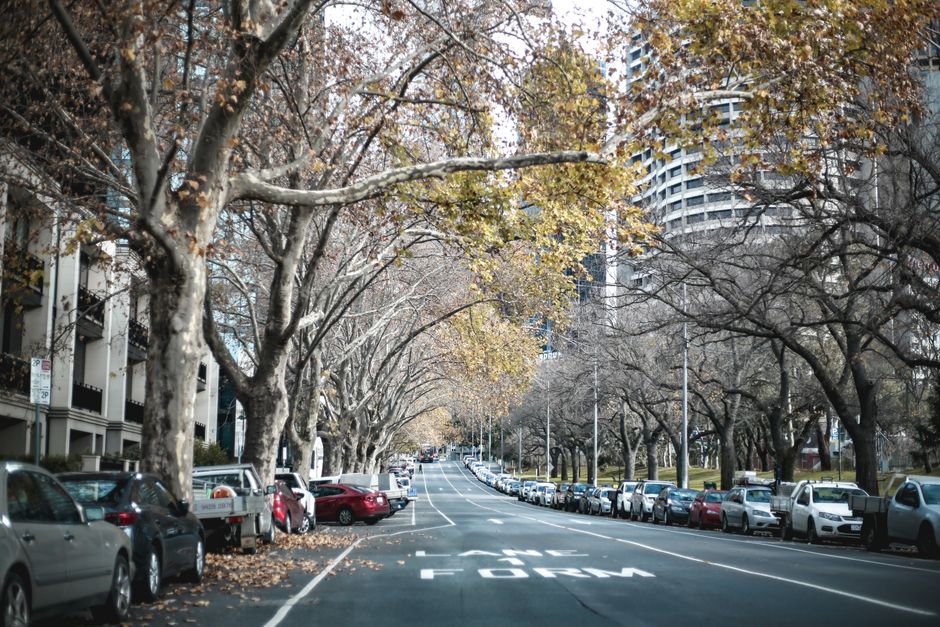
Blackwall street access guide for Poplar removals
If you are planning a move near Blackwall and Poplar, access can make or break the day. Narrow streets, loading restrictions, busy commuter traffic, awkward building entrances and that one van that always seems to block the wrong bay at the wrong time - it all adds up. This Blackwall street access guide for Poplar removals is here to make the whole thing simpler, calmer and a lot more practical.
Whether you are moving a flat, an office, a few bulky items or an entire household, the real challenge is often not the lifting. It is the access. Where can the vehicle stop? How far is the walk from the van to the front door? Is there a lift, a concierge desk or a back entrance? These are the small details that decide whether a move feels controlled or chaotic.
In this guide, you will find a clear breakdown of what access means for removals, why it matters in Blackwall, how to plan around local conditions, and what to check before move day. We will also cover the most common mistakes people make, a practical checklist, and the best service options depending on the size and complexity of your move.
Table of Contents
- Why Blackwall street access guide for Poplar removals Matters
- How Blackwall street access guide for Poplar removals Works
- Key Benefits and Practical Advantages
- Who This Is For and When It Makes Sense
- Step-by-Step Guidance
- Expert Tips for Better Results
- Common Mistakes to Avoid
- Tools, Resources and Recommendations
- Law, Compliance, Standards, or Best Practice
- Options, Methods, or Comparison Table
- Case Study or Real-World Example
- Practical Checklist
- Conclusion
- Frequently Asked Questions
Why Blackwall street access guide for Poplar removals Matters
Access sounds like a small operational detail. It really is not. In removals, access affects time, labour, equipment choice, vehicle size, risk of damage and even whether the job can be done in one trip or two. Around Blackwall and nearby Poplar streets, this matters even more because local road layouts can be tight, busy or interrupted by traffic flow that changes quickly through the day.
Let's face it: most people only think about access once they are staring at a fully loaded van, a flight of stairs, and a parking space that looked available yesterday but now has a line of cones beside it. A good access plan avoids that moment. It helps removals teams arrive with the right vehicle, enough people, and the right expectations.
For residents and businesses, this guide matters because it turns vague worries into clear actions. Instead of guessing, you can check the entrance, measure the route, decide on the vehicle type and estimate the time needed for loading and unloading. That usually means less stress, less waiting, and fewer unpleasant surprises.
There is also a trust element here. A removal company that asks sensible access questions before quoting is usually one that understands the real mechanics of moving. That sort of practical attention tends to save customers money and frustration. You notice it most on the day itself, when things just flow.
For larger or more complex moves, a service such as commercial moves or office relocation services may be a better fit because access planning becomes part of the broader move strategy, not just a quick note in the schedule.
How Blackwall street access guide for Poplar removals Works
At its core, an access guide is a pre-move assessment of the route between the vehicle and the property. Simple idea, but the detail matters. You look at the road, the pavement, the loading point, the entrance, stairways, lifts, door widths, internal turns and anything else that could slow movement or limit what can be carried safely.
The process normally begins with a few key questions:
- Can the vehicle stop directly outside, or will there be a longer carry distance?
- Is there parking, a loading bay, or only roadside stopping?
- Are there height, width or weight limits for the vehicle?
- How many floors are involved?
- Is there lift access, and if so, is it operational and large enough?
- Are there any sharp corners, narrow hallways or protected surfaces inside?
Those questions are not just admin. They shape the move. For instance, if access is tight, a smaller vehicle or a more flexible option like a man and van service may be ideal. If the load is bigger but still needs a compact, nimble approach, man with van support can often strike the right balance between speed and practicality.
When the access route is straightforward but the load is larger, a bigger vehicle may be more suitable. In that case, moving truck options or removal truck hire can make more sense. It depends on the volume, the number of items and whether the property allows easy loading.
In real terms, good access planning means fewer wasted steps. Fewer stops and starts. Less lifting back and forth. You can hear the difference, too - less bumping of furniture against door frames, less rushed shouting, fewer awkward pauses in the stairwell. Not glamorous, but very effective.
Key Benefits and Practical Advantages
The biggest benefit is control. Once you know the access conditions, everything else becomes easier to coordinate. A move that might otherwise feel unpredictable starts to look manageable.
Here are the main advantages of proper access planning:
- Better time estimates: The removals team can plan realistic arrival, loading and unloading times.
- Fewer delays: A suitable parking strategy reduces the chance of long carrying distances or awkward repositioning.
- Lower risk of damage: Clear route planning helps protect walls, bannisters, doors and furniture.
- More appropriate vehicle choice: You avoid over-ordering or under-ordering transport.
- Improved labour planning: More hands may be needed where access is difficult or stair-heavy.
There is also a practical financial advantage. The wrong vehicle size or an underestimated carry distance can create avoidable costs. You do not want to pay for the wrong setup just because nobody asked the right question early enough.
Another benefit is peace of mind. If you are moving on a weekday morning, with traffic building and people heading in and out of nearby buildings, knowing your plan is tight can feel like a relief. Small thing, big difference.
For homeowners, access planning often works hand in hand with home moves and house removalists. For office teams, it fits naturally with organised packing and internal scheduling, especially if you are using packing and unpacking services to reduce disruption.
Who This Is For and When It Makes Sense
This guide is useful for a lot more people than you might think. It is not just for big house moves. Access planning matters whenever items need to move through a shared, narrow or busy environment.
You will find this especially useful if you are:
- Moving from a flat or apartment near Blackwall or Poplar
- Relocating an office with set building access times
- Collecting bulky furniture from a property with awkward entry
- Trying to avoid parking issues on a busy road
- Managing a move with limited lift access or stairs only
- Dealing with a large household load and tight time windows
It also makes sense if you simply do not want the day to become a chain of small problems. One blocked entrance leads to a delayed van. One delayed van leads to rushed lifting. Rushed lifting leads to stress. You know how it goes.
If you are only moving a few items, a lighter-touch service such as furniture pick up may be enough. If you are relocating a bigger property or need a fuller service package, a more structured solution from the start will usually save time and energy.
And yes, sometimes people think they can "just wing it". Sometimes they can. But in a dense urban setting, winging it has a habit of becoming expensive winging-it very quickly.
Step-by-Step Guidance
Here is a practical way to approach Blackwall access planning without overcomplicating it. It is a straightforward process, but the order matters.
- Walk the route yourself. Start at the roadside and move all the way to the front door. Look at kerbs, corners, steps, doors, gates and any locked access points.
- Measure the obvious constraints. Door widths, hallway turns, stair landings and lift dimensions can all affect what can be moved safely.
- Check stopping and parking options. Think about where a vehicle can legally and safely wait while loading or unloading. If access is restricted, plan for a longer carry.
- Identify the heaviest or most awkward items. Sofas, wardrobes, office desks and appliances often decide the vehicle and crew setup, not the boxes.
- Choose the right transport. Small loads may suit a man and van. Larger, heavier or multi-item moves may need a moving truck or removal truck hire.
- Share the details early. Tell the removals team about stair-only access, timed entry slots, concierge requirements or any known obstacles.
- Plan loading order. Put the most urgent or hard-to-carry items near the front of the workflow so the team does not waste time reshuffling.
- Keep the final route clear. On the day, remove trip hazards, hold doors open where appropriate, and make sure keys or codes are ready.
A small but useful tip: if you are unsure whether a sofa will fit through a hallway, measure it with the cushions removed. That tiny bit of prep can save ten minutes of trying, swearing, and gently rotating furniture at a 45-degree angle while everyone pretends to be calm.
For move planning, it also helps to review pricing, service scope and payment details early. Pages like pricing and quotes and payment and security are useful touchpoints when you are comparing your options and deciding what level of support you actually need.
Expert Tips for Better Results
From an access point of view, the moves that go smoothly are nearly always the ones where someone has thought one step ahead. Not five steps ahead - just one. That is enough.
Here are the details that matter most in practice:
- Book for a quieter window where possible. Early mornings often work better than peak commuting times, especially if a vehicle needs a short loading stop.
- Use a clear inventory. A list of large items helps the removals team decide the safest lifting order and whether extra help is needed.
- Protect shared spaces. If you are in a block or office building, let building management know about the move so access rules are not a surprise.
- Have a backup plan. If the preferred bay is unavailable, know the nearest alternative stopping point before the team arrives.
- Keep lifts free where possible. In shared buildings, a lift held open too long can quickly become a bottleneck. Mildly annoying, very common.
There is also a packaging angle here. Good boxes, proper wrapping and tidy labelling reduce the number of stops in corridors and the number of times people need to set things down. A service like packing and unpacking services can help remove a surprising amount of friction, especially for time-sensitive moves.
Another expert habit: separate "must-go-first" items from everything else. Keys, documents, chargers, kettle, medication and a change of clothes should not be buried under lampshades and miscellaneous cables. You will thank yourself later, probably around 10pm when you want tea and the box marked kitchen is nowhere near the kettle.
Common Mistakes to Avoid
Most access problems are preventable. The frustrating part is that they usually come from small oversights, not major disasters.
Common mistakes include:
- Assuming parking will be fine: It often is not, especially on busy streets or near commercial buildings.
- Ignoring walking distance: A "short walk" from van to door can still become a long carry when repeated twenty times.
- Forgetting to mention stairs or lifts: This one causes more rework than people expect.
- Ordering the wrong vehicle size: Too small means multiple trips; too large may not fit access constraints.
- Leaving access checks until moving day: By then, your options are limited and everyone is under pressure.
Another mistake is not thinking about the destination property. People often focus on the pick-up address and forget that the delivery side can be just as tricky. A smooth move needs both ends of the route to work well. Bit obvious, maybe, but it gets missed all the time.
If your move involves a business premises, the access plan should also fit with your broader office schedule and any internal handover process. In that case, commercial moves and office relocation services are more relevant than a basic vehicle booking alone.
Tools, Resources and Recommendations
You do not need fancy equipment to plan access well. In most cases, a tape measure, a phone camera and a notepad are enough. Simple tools. Very effective.
Useful resources and habits include:
- Basic measurements: Door widths, stair landings, lift interiors and turning points.
- Photos or short videos: A quick visual record of the entrance, road layout and internal obstacles helps the removals team assess the job properly.
- Floor plans: If available, these can make difficult access routes much easier to understand.
- Inventory list: Helps align vehicle choice and crew size with the actual load.
- Time window notes: Building access hours, concierge availability and any delivery restrictions should all be written down.
If you are clearing out a property rather than moving everything, a service such as furniture pick up can be a cleaner fit than a full removal package. That is especially true when access is awkward but the load is light enough to keep the job simple.
For those who want a broader picture of how a provider handles standards, it is worth checking company information pages such as about us, insurance and safety and recycling and sustainability. They help you understand the service mindset before anything is booked.
Law, Compliance, Standards, or Best Practice
For removals work in London, good practice matters as much as the physical carrying. You are dealing with public roads, shared spaces, personal property and often time-sensitive access. That means careful planning, safe lifting, sensible vehicle positioning and respect for building rules are all part of the job.
While specific parking or loading rules depend on the exact location and property management arrangements, the general principle is simple: do not assume access is available just because it looks available. If there is any uncertainty, it is better to check in advance and build a sensible plan around the real conditions.
Best practice usually includes the following:
- Giving accurate access information before the move
- Using suitable equipment for stairs, heavy items and awkward turns
- Keeping walkways clear to reduce trip hazards
- Protecting floors, doors and communal areas where needed
- Working within building access times and agreed load/unload windows
Health and safety is not just a policy page. It is the difference between a tidy job and a risky one. If you want to understand the standards a provider works to, review health and safety policy and terms and conditions as part of your due diligence. That is just sensible, really.
For larger or more repetitive commercial work, a structured approach to compliance, access logging and risk awareness becomes even more valuable. It keeps everyone aligned and reduces the chance of last-minute changes that slow the day down.
Options, Methods, or Comparison Table
Different moves need different setups. The right choice depends on the amount to be moved, the access conditions and how much flexibility you need on the day.
| Option | Best for | Access strengths | Trade-offs |
|---|---|---|---|
| Man and van | Smaller moves, a few bulky items, local jobs | Very flexible on tight streets and quick stop-start access | Limited capacity for larger household or office loads |
| Man with van | Moderate loads needing practical support | Good for stair access and short carry distances | May still need more time if the load is substantial |
| Moving truck | Larger home moves or fuller loads | Better capacity, fewer trips | Needs more consideration for road space and manoeuvring |
| Removal truck hire | Bulkier or more demanding transport needs | Suitable for organised, higher-volume moves | Requires clear planning to avoid access issues |
| Full home move support | Family moves, complete flats, mixed loads | Balanced approach with broader handling support | Less minimal than a small-item-only service |
If you are trying to decide which route fits best, think about access first, not just item count. A small property with terrible access can be harder than a larger property with a wide, easy loading point. Funny how that works, but it does.
For many local jobs, the middle-ground option is often the most efficient. For bigger, more structured moves, a fuller service such as home moves or commercial moves can give you the support you need without trying to force the job into a smaller format.
Case Study or Real-World Example
Imagine a typical move near Blackwall: a second-floor flat, no lift, a narrow stairwell, and roadside stopping that is possible but not guaranteed. The customer wants to move a bed, a sofa, a dining table, several boxes and a few fragile items. Nothing outrageous. But a few small access issues make the day more delicate than it first appears.
Instead of sending a large vehicle and hoping for the best, the move is planned around the actual route. The team checks the staircase width, confirms which items can be taken apart, and sets a simple loading order. The sofa and bed frame are handled early, while the smaller boxes are kept grouped for quicker runs. The result is a calmer lift, fewer pauses, and no scrabbling around when the van arrives.
Now compare that with the version where nobody checked anything. The van turns up too large, the parking spot is awkward, the team has to carry items farther than expected, and suddenly the schedule slips. Not a disaster, but messy. And moving days already have enough of that.
That sort of situation is exactly why a Blackwall street access guide for Poplar removals is useful. It turns an uncertain urban move into a planned sequence of manageable steps.
Practical Checklist
Use this checklist before move day. It keeps the important things in view and stops the last-minute scramble.
- Confirm the full pick-up and drop-off addresses
- Check where the vehicle can stop safely and legally
- Measure doors, stairs, hallways and lift openings
- Note any timed access or building management rules
- Identify fragile, heavy or awkward items
- Tell the removals team about steps, narrow entrances or long carry distances
- Choose the right vehicle size and service type
- Prepare keys, fobs, codes and contact details
- Protect floors and shared spaces if needed
- Separate essential items for immediate access
- Review pricing, payment and booking details in advance
- Keep a backup plan for parking or access changes
A small extra habit helps too: take one final look at the entrance the day before. Sometimes a skip, delivery van or temporary restriction changes the picture completely. Ten seconds of checking can save a headache later. Honestly, it often does.
If you want to talk through the right approach for your move, you can start with the team via contact us. For readers who want to understand the company approach a little better before they book, the about us page is also worth a look.
Conclusion
Blackwall access planning is not the flashy part of a removal, but it is often the part that decides whether everything feels smooth or stressful. If you know where the vehicle can stop, what the route looks like, and how the building behaves, you give yourself a much better chance of a clean, efficient move.
The best approach is simple: assess the access early, choose the right vehicle and service level, share the details clearly, and leave yourself a little room for the unexpected. That mindset works for flats, homes, office spaces and small commercial jobs alike.
In our experience, the moves that feel easiest are not the ones with perfect conditions. They are the ones that were planned properly. Small difference, big relief.
Get a free quote today and see how much you can save.
When you are ready, a careful access plan can take a lot of the weight off your shoulders. And that is worth doing well.
Frequently Asked Questions
What does a street access guide mean for removals?
It means checking all the practical details that affect how a removals team gets from the vehicle to the property. That includes parking, road width, steps, lifts, doorways and carry distance.
Why is Blackwall access more complicated than a typical suburban move?
Because urban streets often involve tighter parking, more traffic, shared building entrances and more restrictions on where a vehicle can stop. That makes planning more important.
How do I know whether I need a man and van or a larger vehicle?
If you are moving only a few items or a lighter load, a man and van may be enough. If you have more furniture, several rooms of belongings or a longer carry distance, a larger vehicle is usually safer and more efficient.
Should I measure my doorways before moving day?
Yes. Measuring doors, stairs and hallways is one of the simplest ways to avoid delays and damage. It is especially helpful for sofas, beds, wardrobes and appliances.
What if there is no parking right outside the property?
Then the move should be planned around the actual stopping point and carry distance. That may mean allowing extra time, extra labour or a different vehicle choice.
Is lift access always better than stairs?
Usually, yes, but only if the lift is available, large enough and practical for the items being moved. Some lifts are small, slow or restricted, so they are not always the easy option.
Can access problems increase the cost of a removal?
They can, because difficult access often means more time, more labour or a different transport setup. Clear information upfront helps keep pricing more accurate.
What should I tell the removals team before the move?
Tell them about parking, stairs, lifts, loading bays, long carry distances, building rules, bulky items and any known restrictions. The more accurate the information, the better the plan.
Do I need packing help if access is difficult?
Not always, but packing support can make the day easier because it reduces loose items, speeds up handling and lowers the number of awkward trips through tight spaces.
What is the best option for an office move with limited access?
For offices, a structured service such as commercial moves or office relocation services is usually better than a simple one-van solution, especially if the building has controlled access times.
How far in advance should I plan access details?
As early as possible. Even a few days helps, but the best practice is to do it as soon as you know the move date and addresses.
What if my building management has strict moving rules?
Then those rules should be built into the plan from the start. This can affect timing, lift use, loading bays and whether additional permissions are needed for the day.